
SPIL

Standpoint

Standpoint of the Syndicate of the Pharmaceutical Industries in Lebanon

Vision

To establish a resilient, competitive, and innovation-driven Lebanese pharmaceutical industry that ensures the sustainable supply of safe, high-quality, and affordable medicines for patients in Lebanon and abroad, strengthens national health security, and contributes meaningfully to Lebanon’s economic development and industrial sovereignty.

Mission

As the unified representative body of licensed pharmaceutical manufacturers in Lebanon, SPIL is dedicated to:

Safeguarding, promoting, and advancing the pharmaceutical manufacturing sector.

Advocating favorable regulatory, legal, economic, and strategic conditions that support the growth and sustainability of its member companies.

Representing the industry before public authorities, regulatory bodies, professional institutions, and international partners.

Supporting a sustainable industrial ecosystem that enhances quality standards, expands market access, and reinforces export capacity.

Strategic Pillars

1. Local Pharmaceutical Production as a Pillar of Health Security

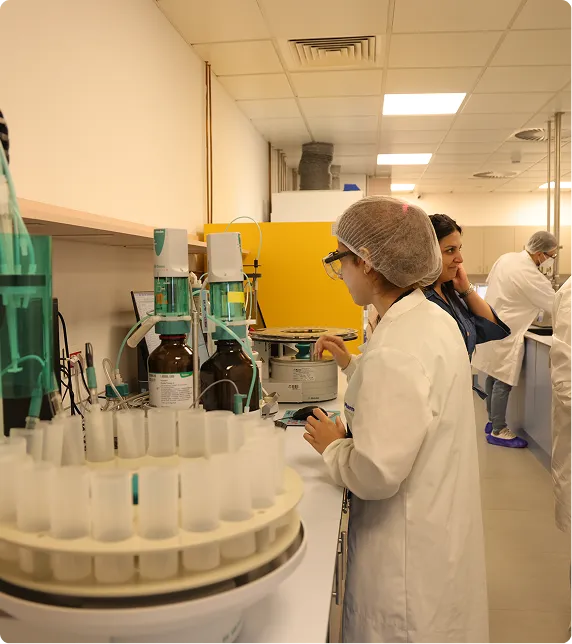
SPIL recognizes local pharmaceutical manufacturing as a strategic asset for Lebanon and an
essential component of national health security. The Syndicate supports its members to
expand production capacities, strengthen supply continuity, and encourage alignment with
international Good Manufacturing Practices (GMP). A sustainable and well-regulated local
industrial base contributes to patient access, stabilizes supply chains, mitigates market
disruptions, and reduces healthcare expenses for patients and families. Ensuring the
continuity of medicine supply is a strategic priority for national resilience.
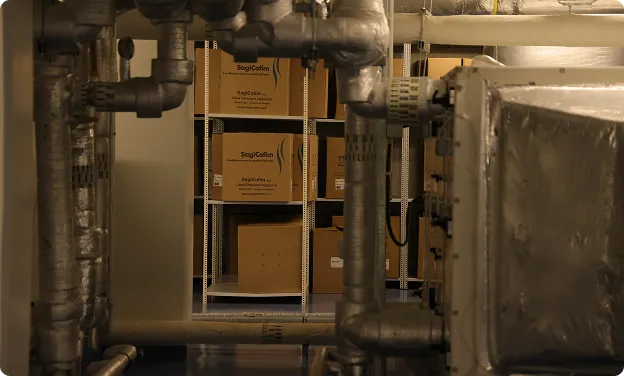
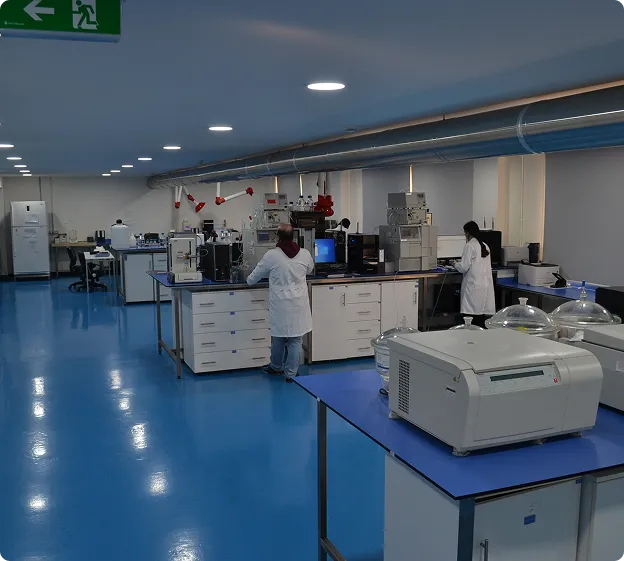
SPIL encourages and advocates for policies that support technology transfer, licensing arrangements, and strategic partnerships that promote innovation, sustainability, and growth.
Enhancing the domestic pharmaceutical portfolio reduces dependency on imports and reinforces the uninterrupted availability of essential treatments.

2. Local Pharmaceutical Production as a Pillar of Economic and National Resilience

Local pharmaceutical manufacturing represents a strategic pillar of Lebanon’s economic stability and long-term resilience. In addition to its essential role in ensuring continuous access to medicines, the sector generates qualified employment across scientific, technical, and industrial disciplines, contributing to skills development and talent retention.
By expanding the availability of high-quality locally manufactured alternatives, the industry supports the rationalization of national pharmaceutical expenditure, reduces reliance on imports, and improves affordability for patients and the healthcare system. Increased local production contributes positively to the trade balance by substituting imports and minimizing foreign currency outflows.
At the same time, pharmaceutical exports generate sustainable inflows of foreign currency, strengthening industrial viability and supporting broader economic recovery. Through regional and international market access, the sector reinforces Lebanon’s position as a credible pharmaceutical manufacturing and export base. SPIL actively advocates for policies and measures that support pharmaceutical exports, enhance market access, and strengthen the international competitiveness of Lebanese manufacturers.
SPIL therefore affirms that strengthening local pharmaceutical production is not only a public health imperative, but also a key driver of economic recovery, industrial growth, and national resilience.

3. Advocacy for a Supportive Public Policy Environment
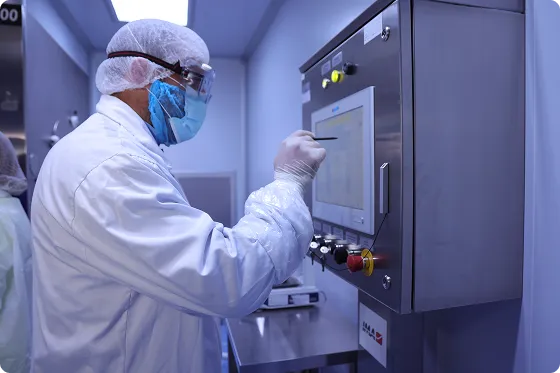
SPIL therefore affirms that strengthening local pharmaceutical production is not only a public health imperative, but also a key driver of economic recovery, industrial growth, and national resilience.
  • Modernize, streamline, and digitize regulatory pathways.
  • Supporting Lebanon’s accession to PIC/S, strengthening regulatory credibility, international recognition, and export readiness.
  • Enhance market access, competitiveness, and pricing frameworks.
  • Reinforce quality assurance as per international standards alongside robust pharmacovigilance framework.
  • Support local production through tax and other incentives while upholding the highest standards of patient safety and product efficacy.
  • Promote the local pharmaceutical industry and highlight its contribution to health security, economic resilience, and medicine availability, while engaging regulators, healthcare professionals, patients, and society at large.

4. Quality, Safety, and Ethical Industry Conduct

Quality and patient safety are foundational principles for SPIL. The Syndicate advocates strict adherence to global quality standards, continuous system improvement, and a culture of accountability, transparency, and responsible industrial practices.

5. Collaboration, Innovation, and Capacity Building
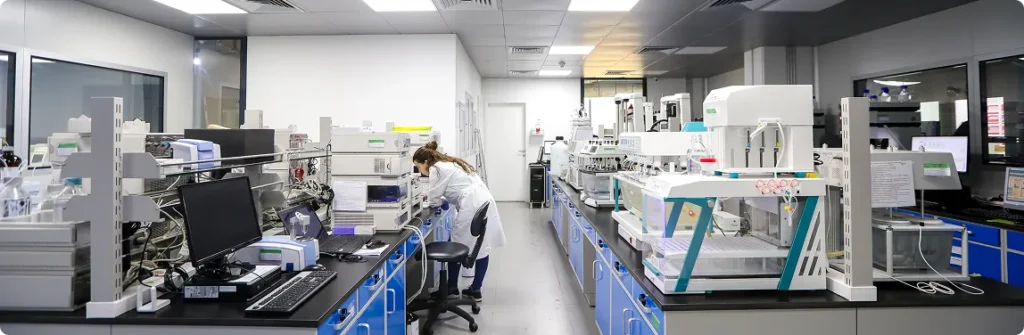
Quality and patient safety are foundational principles for SPIL. The Syndicate advocates strict adherence to global quality standards, continuous system improvement, and a culture of accountability, transparency, and responsible industrial practices.

Commitments to Stakeholders

To Patients:

Ensuring the availability of safe, effective, and affordable medicines that meet international quality standards.

To Regulators and Policymakers:

Serving as a constructive and credible partner in the development of balanced, data-driven public health and industrial policies.

To Member Companies:

Providing unified representation, strategic advocacy, and sectoral support to enhance industrial performance and sustainability.

To International Partners:

Positioning Lebanon’s pharmaceutical industry as a reliable, responsible, and competitive partner in regional and global markets.